Windscreen Calibration Australia: Pricing, Requirements, and Safety Benefits
Modern vehicles in Australia are intelligent safety systems built around precision technology. Features such as lane departure warning, autonomous emergency braking (AEB), and adaptive cruise control rely on cameras and sensors mounted directly behind the windscreen. This is exactly why windscreen calibration has become a critical part of vehicle maintenance.
Windscreen calibration ensures these systems interpret the road accurately. Even a minor misalignment during a
windscreen replacement can distort how your vehicle detects lanes, vehicles, and obstacles. For Australian drivers, this goes beyond convenience; it affects safety, insurance validity, and overall driving reliability.
In this article, we focus on windscreen calibration in Australia, breaking down pricing, when it is required, and the real safety benefits it delivers.
What Is Windscreen Calibration and Why Is It Required in Australia?
Windscreen calibration is the process of realigning the camera and sensor systems connected to your vehicle’s Advanced Driver Assistance Systems (ADAS). These systems depend on precise positioning to function correctly.
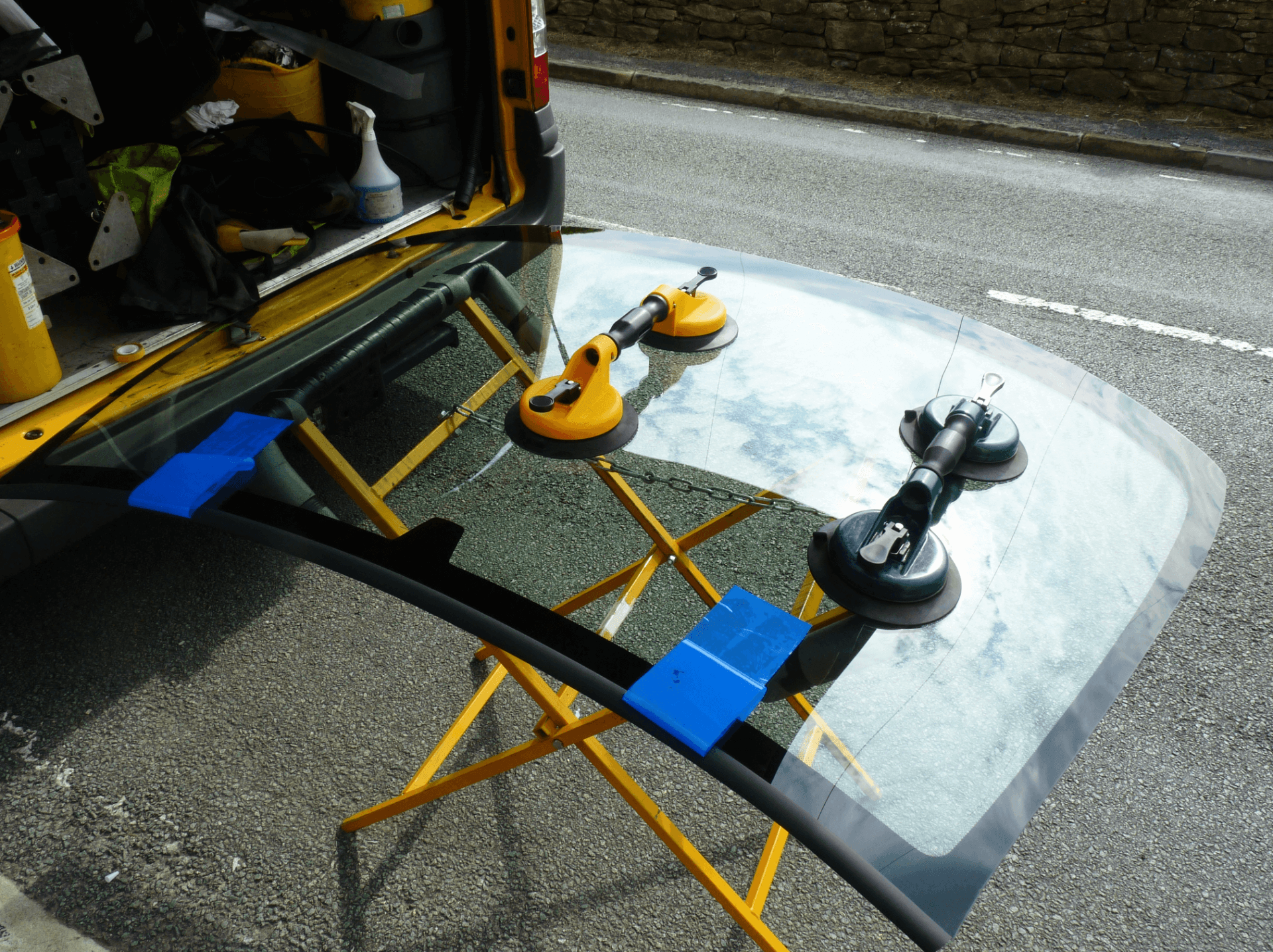
When a windscreen is removed and replaced, the mounted camera can shift slightly, sometimes by just millimetres. While this may seem significant, it can lead to inaccurate readings, delayed responses, or complete system failure.
In Australia, where road safety standards are high and modern vehicles are widely equipped with ADAS, calibration is not just recommended. It is expected as part of proper repair procedures. Manufacturers design these systems to operate within tight tolerances, and failing to recalibrate means the vehicle is no longer operating as intended.
When Do You Need Windscreen Calibration?
After windscreen replacement: Windscreen removal and installation can slightly shift the position of the ADAS camera. Calibration is required to restore precise alignment and ensure safety systems function correctly.
- After a collision or impact: Even minor accidents can affect sensor positioning without visible damage. Recalibration ensures the system continues to detect vehicles, lanes, and obstacles accurately.
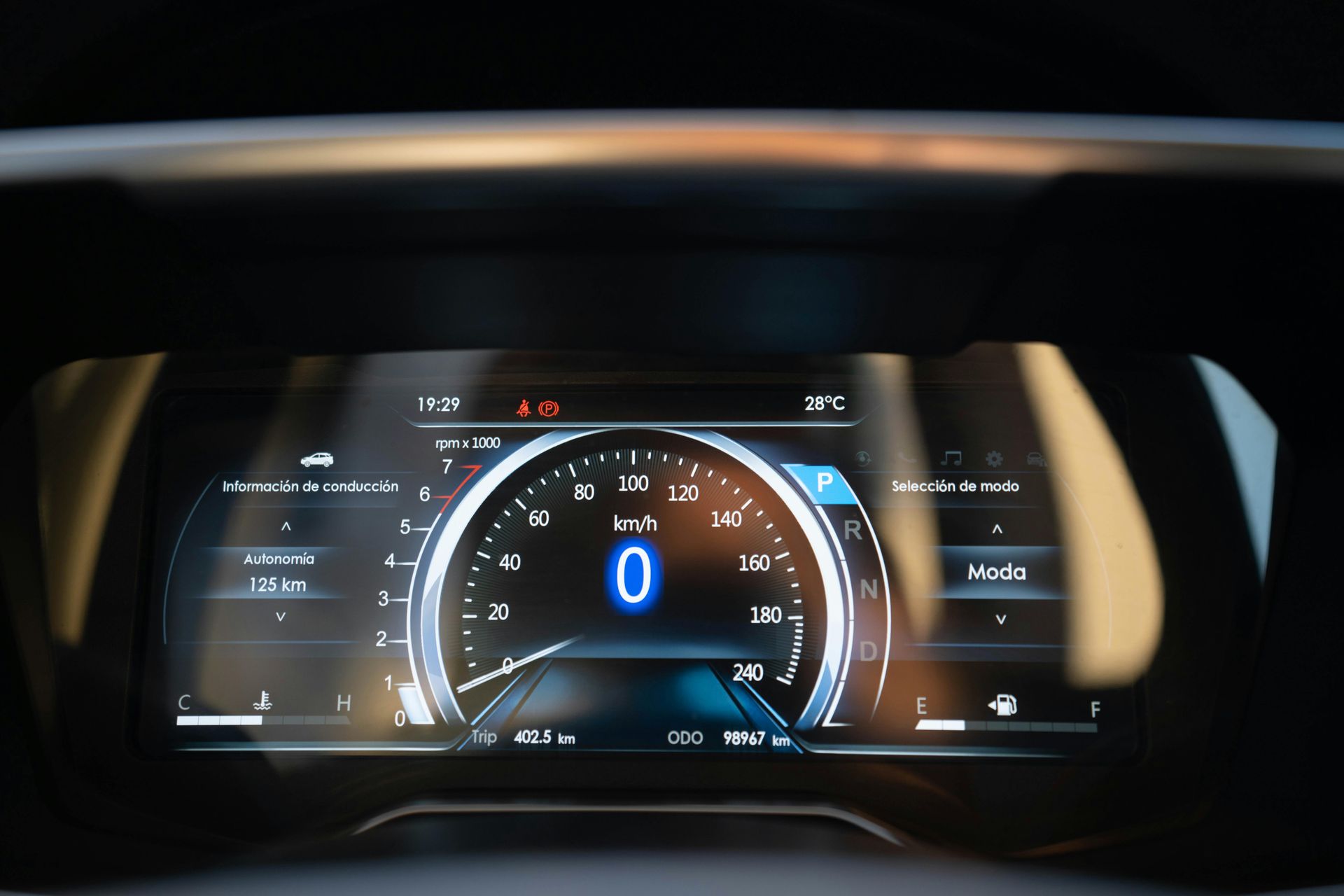
- When ADAS warning lights appear: Dashboard alerts often indicate misalignment or system errors. Calibration resolves these issues and restores proper system performance.
- Following vehicle repairs or structural work: Repairs involving suspension, body panels, or mirrors can alter vehicle geometry. This can impact sensor accuracy, making recalibration necessary.
- Manufacturer (OEM) requirements: Vehicle manufacturers often specify calibration after certain repairs or replacements. Following these guidelines ensures the vehicle remains within factory safety standards.
- Inconsistent ADAS performance: If features like lane assist or emergency braking behave unpredictably, calibration may be needed. This helps correct inaccurate readings and improves system reliability.
- Insurance or compliance requirements: Some insurers or compliance programs require proof of calibration after a windscreen replacement. This ensures the vehicle meets safety expectations and reduces liability risks.
Is Windscreen Calibration Mandatory in Australia?
There is no universal law in Australia that mandates calibration in every situation. However, it is effectively required to maintain the safety integrity of the vehicle. Insurance providers may expect calibration to be completed as part of a compliant windscreen replacement.
In the event of an accident, failure to calibrate could raise questions about whether the vehicle was roadworthy. From a practical standpoint, skipping calibration introduces unnecessary risk and potential liability.
Types of Windscreen Calibration Used in Australia
Different vehicles require different calibration methods depending on their design and the complexity of their ADAS systems. In Australia, three primary types are used.
Static calibration is performed in a controlled workshop environment. Technicians use specialised targets and precise measurements to align the camera system. This method is highly accurate and commonly required by many manufacturers.
Dynamic calibration involves driving the vehicle under specific conditions. The system recalibrates itself by analysing road markings, traffic, and environmental data. This process must be carried out carefully to ensure correct results.
Some vehicles require a combination of both methods. This dual calibration approach is increasingly common in newer models with more advanced safety features. It ensures that both baseline alignment and real-world performance are accurately set.
Windscreen Calibration Cost in Australia (2026 Guide)
The cost of windscreen calibration in Australia varies depending on the vehicle and the complexity of the system involved. For most standard vehicles, calibration typically starts from around 150 dollars and can go up to 300 dollars for basic setups.
Vehicles with more advanced ADAS features or those requiring dual calibration can range between 300 and 600 dollars or more. Premium brands and newer models often sit at the higher end due to the precision and equipment required.
Several factors influence pricing. The type of calibration plays a major role, as static setups require specialised workshop equipment while dynamic calibration involves additional time and testing. The make and model of the vehicle also impact cost, particularly for European or high-end vehicles.
Choosing a Windscreen Calibration Service in Australia
Selecting the right provider for windscreen calibration is just as important as the calibration itself. Not all workshops have the equipment or expertise required to perform accurate ADAS calibration.
A qualified service should use manufacturer-approved tools and follow OEM procedures. Technicians should be experienced in handling different vehicle brands and understand the specific calibration requirements for each model.
Transparent pricing is another key factor. Reliable providers clearly outline whether calibration is included in the service and explain the process without hidden costs.
FAQs About Windscreen Calibration in Australia
How do I know if my car needs calibration?
If your windscreen has been replaced, your vehicle has been involved in a collision, or you notice ADAS warning lights, calibration is likely required. Even small shifts in camera positioning can affect how your vehicle reads the road and surrounding traffic. In many cases, calibration is recommended as a precaution to ensure all safety systems are functioning accurately.
Is calibration covered by insurance in Australia?
Many comprehensive insurance policies include windscreen replacement and may also cover calibration as part of the claim. However, coverage can vary depending on your insurer and the specifics of your policy. It is always best to confirm beforehand to avoid unexpected out-of-pocket costs.
Can I drive without calibration?
Yes, you can still drive your vehicle without calibration, but it is not considered safe. ADAS features such as lane assist and emergency braking may not respond correctly if the system is misaligned. This increases the risk of incorrect alerts or delayed reactions while driving.
Does every windscreen replacement require calibration?
Not every vehicle requires calibration, especially older models without ADAS technology. However, most modern vehicles in Australia are equipped with camera-based safety systems that do require recalibration after replacement. It is safest to assume calibration is necessary unless a professional confirms otherwise.
Conclusion
Windscreen calibration is no longer optional for modern vehicles; it is a critical step in maintaining safety, performance, and compliance. From understanding when it is required to knowing what it costs, Australian drivers need to treat calibration as part of every windscreen replacement or repair process.
Accurate calibration ensures that your vehicle’s safety systems operate as intended, reducing risk and improving overall driving confidence. Skipping this step may save money in the short term, but it compromises the very systems designed to protect you.
If you are looking for a reliable solution, Windscreen Medics Melbourne offers professional windscreen repair and replacement services backed by quality workmanship and attention to detail. Whether you need a quick repair or a full replacement with calibration, our team ensures your vehicle is safe, compliant, and ready for the road.
Get in touch with Windscreen Medics Melbourne today for transparent pricing, expert service, and reliable results you can trust.
Categories
Auto Glass Experts