How to Clean Sticky Tree Sap Off Your Car Glass
Tree sap on your car glass may seem harmless at first, but once it hardens under the Australian sun, it can become difficult to remove safely. Sticky sap residue reduces visibility, causes wiper smearing, and may eventually damage your windscreen surface if left untreated for too long.
This blog explains how tree sap sticks to vehicle glass, the safest ways to remove it, common cleaning mistakes to avoid, and how to prevent long-term windscreen damage. With proper cleaning methods and routine maintenance, drivers can keep their windscreens clear, improve driving visibility, and avoid unnecessary glass wear.
What Is Tree Sap and Why Does It Stick to Glass?
Tree sap is a sticky organic substance produced by trees. It contains natural sugars, resins, and water that help transport nutrients throughout the tree. When sap lands on a vehicle, heat and UV exposure quickly harden the residue, causing it to bond firmly to the glass surface.
The longer sap remains on your windscreen, the more difficult it becomes to remove without damaging the glass.

Why You Should Remove Tree Sap Quickly
Reduced Driving Visibility
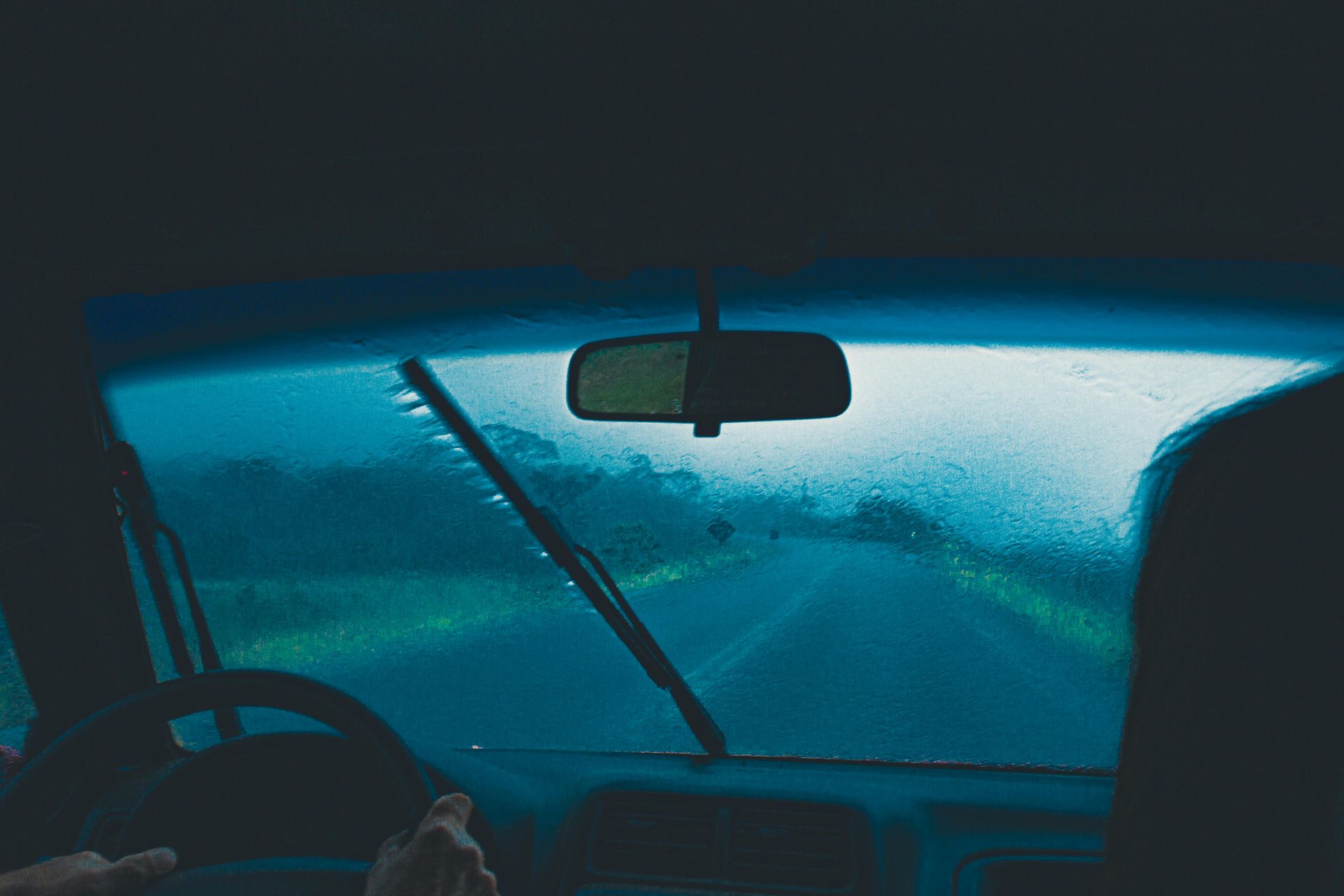
Tree sap creates blurry smears and unwanted glare on your windscreen, especially during sunrise, sunset, rain, or night driving conditions. Even small sap spots can quickly reduce visibility once the wiper blades spread the sticky residue across the glass surface. Delayed cleaning may make the windscreen harder to see through clearly, increasing distraction and reducing overall driving safety.
Windscreen Damage Risks
As tree sap hardens, it may leave behind stubborn staining, surface contamination, and residue that becomes increasingly difficult to remove. Over time, this buildup can contribute to fine scratches, permanent glass hazing, and reduced windscreen clarity if cleaned improperly. Prolonged exposure to sunlight and heat can further bake the sap onto the glass, making professional cleaning more likely to be required.
Wiper Blade Damage
Sticky tree sap can attach to the rubber edge of your wiper blades, causing skipping, squeaking, and uneven wiping performance during use. The added friction places unnecessary stress on the blades, accelerating rubber wear and shortening their lifespan. Damaged or contaminated wiper blades may also spread sap across the windscreen, further reducing visibility during rain or wet weather conditions.
Common Mistakes Drivers Make When Removing Tree Sap
- Scraping With Sharp Objects: Using razors, knives, or metal scrapers to remove tree sap may permanently scratch the windscreen surface. Even minor scratches can become highly visible when sunlight, headlights, or rain hit the glass during driving. Improper scraping methods may also weaken the windscreen's overall appearance and clarity over time.
- Using Harsh Household Chemicals: Some household cleaners contain strong chemicals that may damage vehicle trims, tinted surfaces, protective glass coatings, or windscreen rubber sealants. Products not designed for automotive glass can also leave streaks, residue, or discolouration after cleaning. Using automotive-safe cleaning products helps protect both the windscreen and surrounding vehicle components. windscreen rubber sealants.
- Running Wipers Over Sap: Activating the wiper blades before removing tree sap usually spreads the sticky residue across the entire windscreen surface. This makes the contamination more difficult to clean while increasing smearing and visibility issues during driving. Tree sap can also stick to the rubber blades, causing premature wear, squeaking, and reduced wiping performance.
Best Methods to Remove Tree Sap From Car Glass
1. Warm Water and Microfibre Cloth
When This Method Works Best: Warm water works best for fresh or lightly hardened sap deposits.
Start by soaking a clean microfibre cloth in warm water and placing it over the sap for several minutes. This helps soften the residue safely without scratching the glass. Once softened, gently wipe the sap away using circular motions. Avoid applying excessive pressure because hardened particles may cause windscreen damage.
2. Automotive Glass Cleaner
Use a high-quality automotive glass cleaner designed specifically for vehicle glass surfaces. Alcohol-based cleaners often help break down sticky residue effectively. Spray the cleaner directly onto the sap-affected area and allow it to sit briefly before wiping with a clean microfibre cloth. Repeat the process if necessary until the glass feels smooth and clear.
3. Isopropyl Alcohol (Rubbing Alcohol)
Isopropyl alcohol helps dissolve the resin compounds found in hardened tree sap, making removal easier. Apply a small amount of rubbing alcohol onto a soft cloth rather than directly onto the glass. Gently dab the sap until it softens, then wipe the area clean with a damp microfibre cloth. Avoid using excessive amounts near painted surfaces or rubber trims.
How to Remove Hardened Tree Sap
- Softening Old Sap Deposits: Older tree sap deposits often require repeated soaking in warm water or an automotive glass cleaner before the residue loosens. Allowing the sap time to soften helps reduce the need for excessive pressure during cleaning. Patience is important because aggressive scrubbing or scraping significantly increases the risk of scratching the windscreen surface.
- Multiple Cleaning Cycles: Severely hardened tree sap usually cannot be removed completely in a single cleaning attempt. Repeating the cleaning process gradually helps lift the residue more safely without damaging the glass or surrounding trims. Taking a slower approach often produces cleaner results while reducing the risk of permanent marks or surface hazing.
Preventing Tree Sap on Your Windscreen
- Avoid Parking Under Trees: Parking under trees for extended periods increases exposure to tree sap, bird droppings, leaves, and falling debris. Heat and sunlight can quickly harden sap onto the windscreen, making removal more difficult later. Choosing covered or shaded parking areas away from heavy tree coverage helps reduce contamination risks.
- Use a Car Cover: If outdoor parking is unavoidable, a quality car cover provides additional protection against sap buildup and environmental contamination. Car covers also help shield the windscreen from UV exposure, dust, and falling organic debris. Using a properly fitted cover can significantly reduce cleaning frequency and long-term glass maintenance.
- Clean Glass Regularly: Routine windscreen cleaning helps prevent contaminants from bonding permanently to the glass surface over time. Removing sap, dirt, and residue early makes maintenance easier and reduces the chance of staining or visibility problems. Regular cleaning also improves wiper performance and overall driving safety during different weather conditions.
- Apply Water-Repellent Glass Treatments: Water-repellent glass treatments make it more difficult for contaminants like tree sap to stick firmly to the windscreen surface. These treatments create a protective layer that simplifies future cleaning and improves water runoff during rain. Maintaining a treated windscreen can help preserve glass clarity while reducing long-term contamination buildup.
If left untreated for long periods, hardened tree sap may contribute to surface etching and minor glass imperfections. Australian heat accelerates this process by baking the sap onto the windscreen surface.
Early cleaning is the best way to prevent permanent marks and maintain clear visibility.
Final Thoughts
Tree sap may appear minor initially, but prolonged exposure can reduce visibility, damage wiper blades, and contribute to permanent windscreen wear. Using safe cleaning techniques such as warm water, automotive glass cleaner, and isopropyl alcohol helps remove sap effectively while protecting your vehicle glass.
If your windscreen has scratches, chips, or visibility issues caused by hardened contamination,
contact Windscreen Medics. We provide professional mobile windscreen repair and windscreen replacement services across Melbourne suburbs, helping drivers maintain safe and clear visibility on the road.
Categories
Auto Glass Experts